
Most gatherings are built for adults, with a corner for the children. We build the place for families: three generations, real work, rules before poetry.
Go to almost any gathering and find the families. The adults are at the stage or in the ceremony. The children are in a corner: a tent, a face painter, a craft table, a sign. The corner is pleasant and the people running it are kind, and it exists so that the adults can get on with the real thing somewhere else. The grandparents, mostly, stayed at home.
We are turning that inside out. The family is the real thing. Everything else is arranged around it.
The family test
Every decision on the land, from where the paths go to how loud the stage is, gets the same question: could a family be here with everyone they brought? Could a five-year-old run through this barefoot, and could her grandmother follow at her own pace? If yes, the decision passes. If no, we change the decision, not the family.
It sounds sentimental and it is the most practical design rule we have. A path a five-year-old can find their way on is a path an elder with a stick can use. Water a child can approach with an adult in sight is water arranged so that everyone is in sight. A fire with a keeper is a fire nobody falls into. Quiet hours that are actually quiet, so that small ones can sleep and their parents can finally sit down, are quiet hours that give everyone the night back. A land that is right for three generations at one table is a land that is right for every person on it.
The land, not a programme
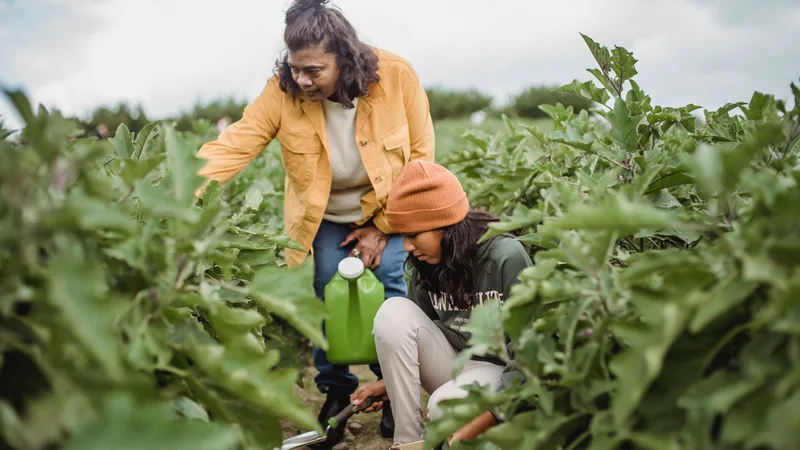
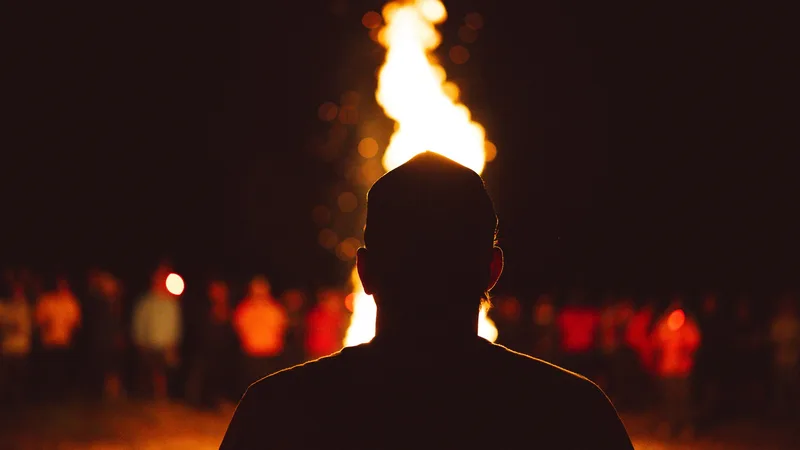
Nobody on the land gets activities. Families get the land. Planting in spring, with the same spades in three sizes. Feeding whatever animals the land keeps. Building shelters in the forest and sleeping in them, when the children are old enough and the weather allows. Tending the small fire, with a fire keeper watching. Clay by the river, dye from plants they picked, wood they were shown how to cut. Drumming badly and loudly, parents included.
A child learns where food comes from by growing it next to a parent, and the parent learns something too. Nobody schedules that. The land does it, given the room, and adults who know when to step back.
Together, and apart
A family on the land is not welded together for the week. The children have a village of their own, at the centre of the land and not at the edge, with a circle in the morning and the evening, held with them rather than at them, by adults the circle knows. On some nights they have their own fire. At the turn of the seasons they have their own ceremony, and it will be the one the adults quietly wish they could join.
That is what lets the parents be more than parents for a while: sit in a ceremony, swim, have the conversation they came here to have, be alone for an hour. And it is what lets the grandparents be exactly what they are, which on a good land is the most wanted people at the fire.
Some of the land’s best rituals will come from this. A child does something once, at the water or the fire, and it feels right, and the next day another child does it, and by the third year the whole family does it without being told. Adults are too self-conscious to start rituals. Children are not.
Safety before poetry
There is one place on the land where the rules come first and the poetry waits, and it is here. Every adult who holds a role with children is known to the circle, vetted, and never alone with a child who is not their own. There is a named person responsible for the children’s village at all times, and everyone knows who it is. The agreements are written down, posted where they can be read, and the same for a first-time visitor as for the people who have been here longest.
None of this is because we expect the worst of people. It is because a place that asks families to relax has to be able to prove, in the boring ways as well as the beautiful ones, that it deserves to be trusted.
The longest thought
The reason families are the tenth pillar and hold up the other nine is time. A festival has a weekend. A family has decades. The child who ran around the kitchen at five comes back at twenty-five and knows where the firewood is, and brings someone, and later brings a child of her own. That is what a place is for, and no event can produce it. The whole project, the search, the gatherings, the ground held so it can never be sold, is in the end a way of making sure there is somewhere for families to come back to.
Questions this piece raises
What ages is Spiritual Land for?
Will there be childcare so parents can join ceremonies?
Photo: Askar Abayev via Pexels. Places shown are not Spiritual Land; the land has not been found.
More from the journal
Join the circle