
Home/The search
We are looking for land.
Not any land. The search is open, unhurried, and not tied to one country. This page says exactly what we are looking for, so that if you know it, you recognise it.
Why the search is open
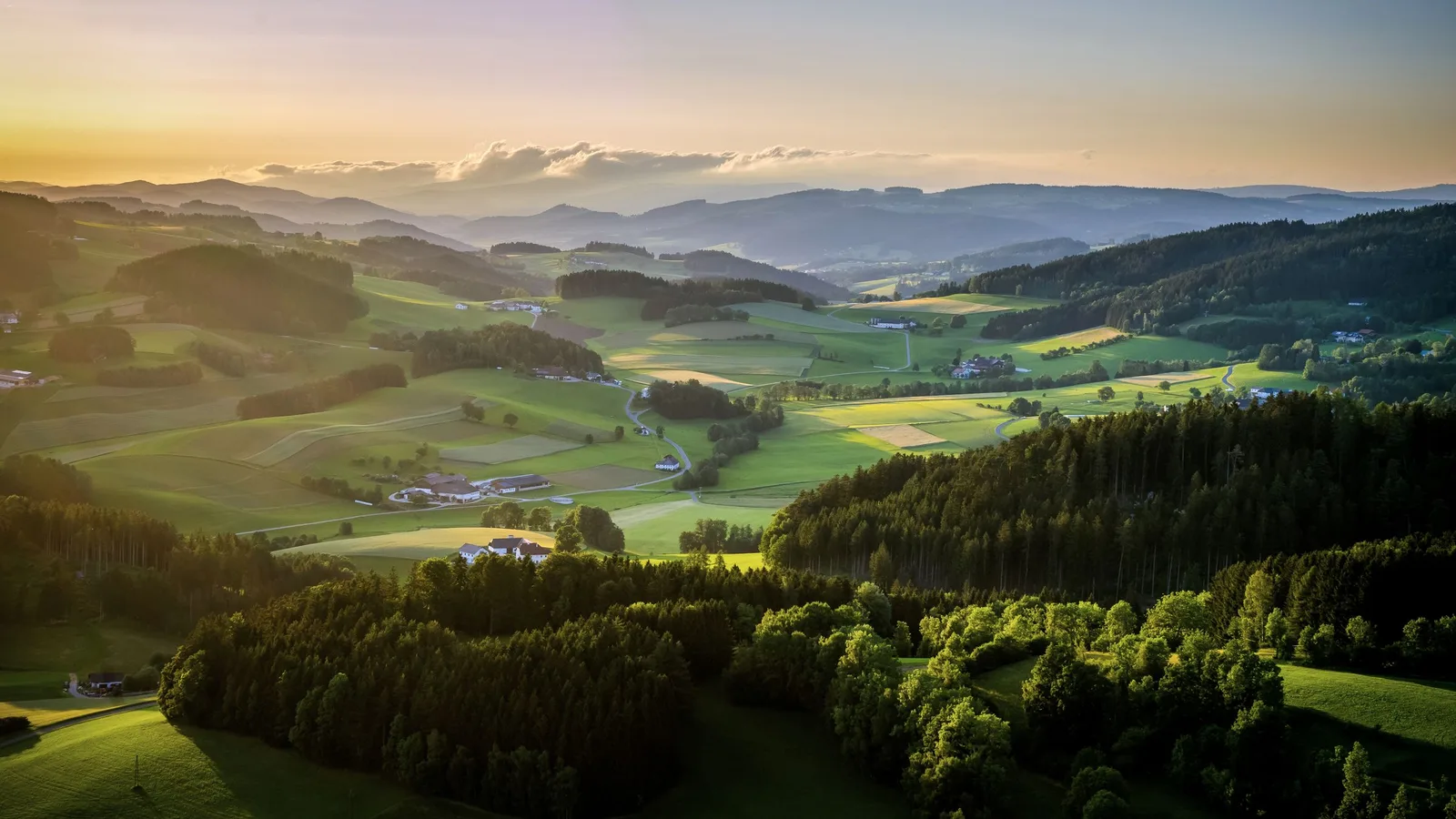
Most projects like this start with a country, then a region, then a plot, and end up bending the idea to fit the ground. We are doing it the other way round. The idea is fixed. The ground is not. If the right land is in the hills of Portugal, the forests of Sweden, the lakes of Poland or the mountains of Oaxaca, that is where Spiritual Land will be.
Eight things we look for
What makes land right for this
In order of how hard they are to compromise on. The first three are not negotiable.
- 01
Living water
A river, a lake, a spring, a well that does not run dry in August. Water is the first thing the land needs to have and the last thing we would compromise on. Swimming water is a gift; drinking water is a requirement.
- 02
Forest and meadow, both
Old trees for shade, silence and the sound temple. Open ground for the fire, the stage, the children and the stars. And room to plant: land that could hold more forest in twenty years than it does today.
- 03
Real dark, real quiet
No motorway within earshot. No floodlit anything on the horizon. Not under a flight path. A night sky you can actually read. Places like this still exist, more than people think, and they are usually cheaper for exactly these reasons.
- 04
Room without crowding
Enough hectares that a few hundred people can gather for a week without the land feeling it, and that twenty people can live on it year-round without seeing each other unless they want to. Rough guide: twenty hectares and up. More is better, less is possible if it borders public forest.
- 05
Reachable
A train and a bus, or a train and a bicycle, should get you there. A car should not be the only way in. The land should be a day’s travel from a major city, not a flight and a rental.
- 06
Neighbours who could become friends
Land does not exist in a vacuum. A village nearby that would rather have us than a holiday park. Farmers who would sell us hay and buy our surplus. A municipality that can be talked to. We will meet the neighbours before we sign anything.
- 07
Buildable, lightly
Permission, or a realistic path to permission, for simple structures: a kitchen, a sauna, composting toilets, a covered gathering space, a few small dwellings. Not a hotel. If the zoning forbids even a yurt, it is the wrong land.
- 08
A price the circle can carry
The land is paid for by gatherings, not by a bank that could take it back. That means patience and it means land that is priced for what it is: remote, quiet, imperfect. The perfect land is the one we can hold without owing anyone who does not share the purpose.

The right land is usually cheaper for exactly the reasons we want it: remote, quiet, imperfect.
How the search works
Four seasons before we sign
- Leads come from the circle. Someone knows a farm that is selling, a forest that is tired, an uncle with hectares. Most good land is never listed.
- We walk it. More than once, in more than one season, with people who read land: a permaculture designer, a hydrologist if we can, a neighbour if they will come.
- We meet the village. Before any paperwork. If the neighbours do not want us, the land does not want us.
- We check what may be built. Zoning, water rights, protected status. Boring, decisive.
- The circle decides. Out loud, in a circle, with time to disagree. Then we hold the land in a form that can never be sold for profit.
Questions
Where are you looking for land?
How big should the land be?
I own land. How do I offer it?
Will you buy the land or lease it?
Who will own the land?
Point us to land
Do you know a place like this?
A farm that is selling, a forest that needs people, a family with more hectares than plans. Tell us. Every message is read and answered by a person.