
The land comes first and gets the last word: four seasons of walking before building, food forests, water slowed and stored, and a yearly count that must go up.
We are looking for land, and when we find it we will be its guests before we are its stewards. That is not a sentiment. It is the operating rule for everything that happens on the ground, and it is why ecology is the pillar that gets the last word.
Walk it first
Before anything is built, the land is walked. Through four seasons, more than once each, with people who read land: a permaculture designer, someone who understands water, a birder, a neighbour who has known the place for forty years. Where does the water go when it rains hard? Where does the frost sit in the morning? Where do the deer cross? Which corner is the birds’ and should stay that way? Where is the ground fragile, and where can it take a few hundred feet?
Then, and only then, the design. Not over the land but around it. The stage where the sound rolls away from where people sleep. The children’s village near the water but always in sight. The fire circle where its smoke does not enter the sound temple. Paths where people already walk. Permaculture, in the plain sense: placing things so that each one helps the others, modelled on how a healthy piece of ground already works.
Regenerative, and counted
Sustainable means not making it worse. We want more than that. Regenerative means the land gains life while we are on it, and being able to show it. So every year, the count. Topsoil depth, measured in the same spots. Water held on the land through the dry months, in ponds and swales and the soil itself. Trees planted, by the people who come, and trees surviving. Birds, insects, fungi, counted by whoever can count them.
The numbers are published to the circle every year, and they have to go up. A regenerative claim without numbers is just a nicer word for marketing, and the land will not make claims it cannot show.
The tools are known and none of them are exotic. Food forests and a kitchen garden that feeds the table. Roof water caught and slowed rather than piped away. Compost from the kitchen and the toilets returned to the soil. No chemicals, anywhere. Grazing, if there is any, moved often. And corners that are simply left alone, rewilded, with no path and no programme.
Built light
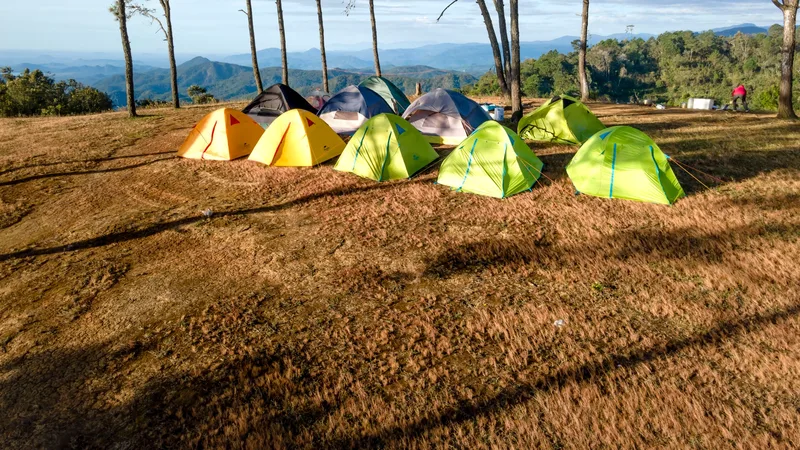
Structures on the land are simple, natural in material, and built so that they could be taken away. Timber, canvas, earth, stone, willow. A kitchen, a sauna, compost toilets, a covered gathering space, a round wooden sound temple, a few small dwellings for the people who tend the land through winter. No concrete slab poured where a meadow was. If in twenty years the land has to go back to itself, it should be able to.
This is also the search criterion that rules out the prettiest land. If the zoning forbids even a yurt, it is the wrong place, however good the water.
The land sets the limits
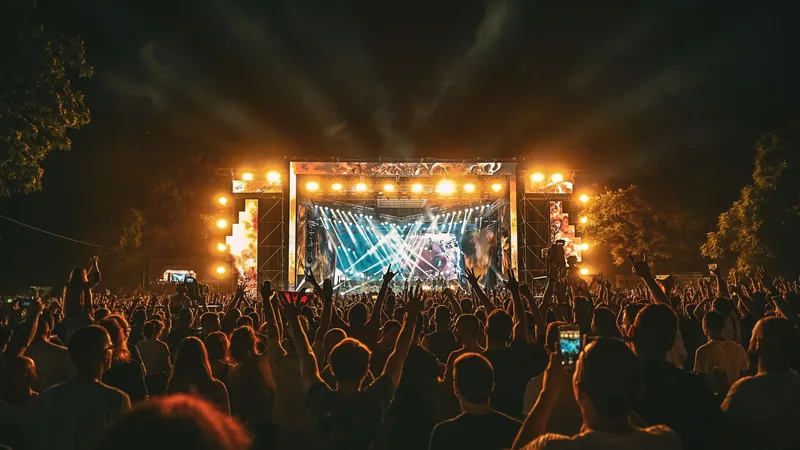
How many people the land can hold for a gathering. How loud the stage, and until when. How much light at night. Where the paths go and where nothing goes. The ecology decides all of it, and when the programme and the ecology disagree, the programme changes. That rule is what protects the land from the other nine pillars, which would otherwise, out of sheer enthusiasm, love it to death.
Everyone learns from it
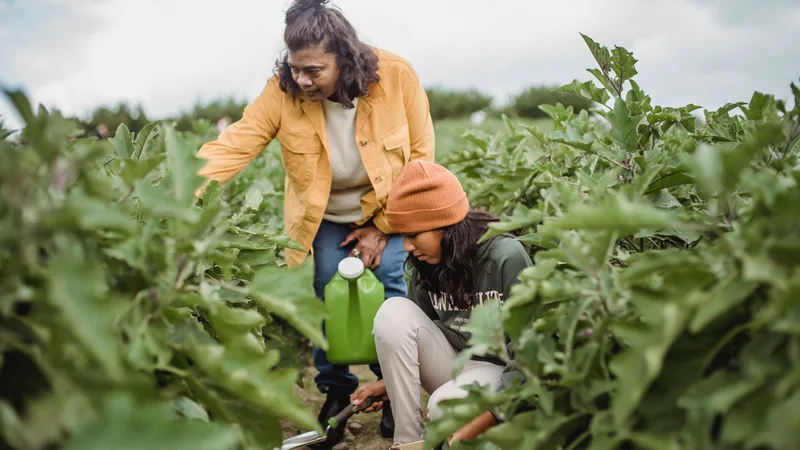
Every stay on the land includes time working with it: planting, composting, building, harvesting. Not as a chore, and not as a workshop, but as the most direct way to understand where you are. The children lead a good part of this, because they ask the questions adults have stopped asking, and because a child who planted a tree at six will come back to check on it.
Leaving it better is the whole test. Every year the land holds more life than the year before, and every person leaves it a little more cared for than they found it. If that is true, everything else on the land is allowed. If it is not, nothing else counts.
Questions this piece raises
What does regenerative mean here, concretely?
How will you handle waste and water on the land?
Photo: Zen Chung via Pexels. Places shown are not Spiritual Land; the land has not been found.
More from the journal
Join the circle