

Community, ecology, spirituality, ritual, ceremony, frequencies, music, art, light, families. Why ten, why these, and how each covers a way it could go wrong.
People ask why ten. It sounds like a number chosen for a poster. It was not. We started with a longer list, tried to cut it, and every cut produced something we had already seen and did not want. Ten is what was left when nothing more could go.
Here is the test that decided it. Take away one pillar and describe what remains.
Remove one, and what is left
Take away ecology and you have a festival that trashes a field. The music is great, the ceremonies are moving, and on Monday there is a bin bag walk and a farmer who will not have you back.
Take away families and you have a retreat for adults who need a break from theirs. Nice, and common, and nothing to do with building a place that lasts, because nobody is growing up in it.
Take away music and you have a monastery. Silence, ritual, ecology, serious people. Beautiful for a week. No joy in it, and joy is not optional.
Take away ceremony and you have a campsite with good intentions. Take away ritual and you have a series of events with nothing in between. Take away community and you have a venue: a place with a programme and a booking form.
Take away spirituality, and this is the one people expect us to be able to drop, and you have an eco-village with a stage. Fine. Plenty of those. But the reason we are doing this is the part of a person that is more than a job, and if the land does not make room for that, it is not the land we mean.
Take away frequencies, sound as medicine, and you lose the thing the body remembers longest. Take away art and the place never becomes itself; nobody has made anything in it. Take away light and you have forgotten the sun, the fire and the stars, which is to say you have forgotten where you are.
Ten.
Why they overlap
The pillars are not ten separate departments. They lean on each other on purpose, and the joints are where the land actually happens.
Ceremony without integration is just a peak; integration is community and ritual doing their work the morning after. Ritual without community is a private habit; the bell at dawn only means something because forty people go quiet when it rings. Frequencies without silence are noise; silence is an ecology rule and a light rule as much as a sound rule. Art without the land’s materials is decoration; light art without dark sky is a car park. The children run through all of it, and the test for every decision, could a five-year-old be here, is applied to every pillar equally.
If you tried to run the ten as separate programmes with separate coordinators, you would get a festival. Run as one ground with ten things true on it, you get a place.
Who gets the last word
One pillar is first among equals, and it is not the one people expect. Ecology gets the last word. The land decides how many people, how much sound, how much light at night, where the paths go, which corners stay untouched. When the programme and the ecology disagree, the programme changes. That rule is what stops the other nine from doing what nine enthusiastic pillars would otherwise do to a piece of land, which is love it to death.
Community comes first in the order because without people who come back it is scenery. Ecology comes second because without limits the people would ruin it. Everything else is in between. And the tenth, Families, is last on the list because it holds up the other nine.
Questions this piece raises
Are the ten pillars ranked?
Could a pillar be added or removed later?
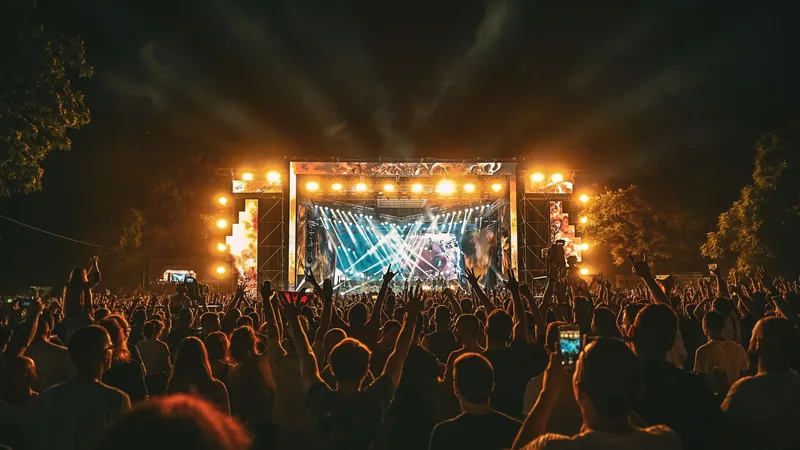
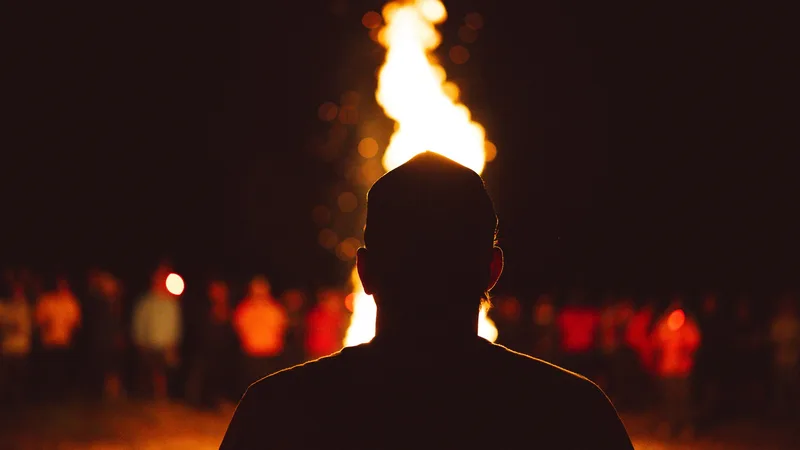
Photo: Jean-Paul Wettstein via Pexels. Places shown are not Spiritual Land; the land has not been found.
More from the journal
Join the circle