
Every beautiful gathering we have been part of ended on Sunday. This is the case for building one thing that stays, and why land is the only way to do it.
There is a particular silence on the Monday after a gathering. The vans have gone. The field is flattened in the shape of where the tents stood. Somebody is walking the perimeter with a bin bag. If you have produced or held anything, you know that silence, and you know the feeling that comes with it: that something real happened here for four days and now there is no trace of it.
We have made that silence many times. Festivals, ceremonies, retreats, on farms and in forests and in rented halls with the chairs stacked afterwards. Some of the best moments of our lives happened on borrowed ground. And every time, the ground forgot us by Tuesday.
What an event cannot do
An event has to be exciting. It is judged by its line-up, its numbers, its photographs. It has to be better than last year. That pressure is not a flaw in the people who make events; it is the shape of the thing. An event is a peak by design, and a peak has to be followed by a descent.
A place is judged differently. A place is judged by whether you want to be there when nothing is happening. By whether you would come in February, when there is no programme and the fire is the only warm thing. By whether the child who ran around the kitchen at five comes back at twenty-five and knows where the firewood is.
Nothing about an event can produce that. Continuity is not a feature you can add to a weekend.
The amnesia of rented ground
Rented ground has rules you did not make, a kitchen that belongs to someone else, and a date by which you must be gone. It cannot be planted, because the trees would be someone else’s. It cannot be built on, even lightly, because the sauna would have to come down on Sunday. It cannot be kept dark, because the neighbour has a floodlight. And it can always be refused next year.
More quietly, rented ground produces amnesia in the community too. The people who came have nowhere to return to. The rituals that started on Saturday night, the way the circle formed at dusk, the song everybody learned by the third day, have no place to live. They exist in a group chat for a while and then they do not.
A place remembers. That is the whole difference.
What land makes possible
Land makes it possible to plant a tree and sit under it. To build a sound temple that is open every dawn, not only during the festival. To keep the night dark by agreement, year after year, until the stars are a thing children on the land simply expect. To let rituals grow the slow way, out of what people do more than once. To hold the ceremonies for the big moments in a life, birth and death and passage, in a place that will still be there for the next one.
It makes it possible for the children who come to become the adults who hold it. That is the longest thought in the whole project and the one we care about most.
The festival is not abandoned
None of this is an argument against the festival. Spiritual Land will hold one, and it will be the loudest and most joyful thing we do. But it will be the festival of a place rather than a festival looking for a field. And in the years before there is land, the festival and the retreats and the ceremonies are the vehicle: held on borrowed ground, with their surplus set aside for the ground that cannot be taken back.
First the circle. Then the gatherings. Then the land. No date on any of it, only the order.
We are done making the Monday silence. We would rather make a place.
Questions this piece raises
Is Spiritual Land against festivals?
Why not just rent the same field every year?
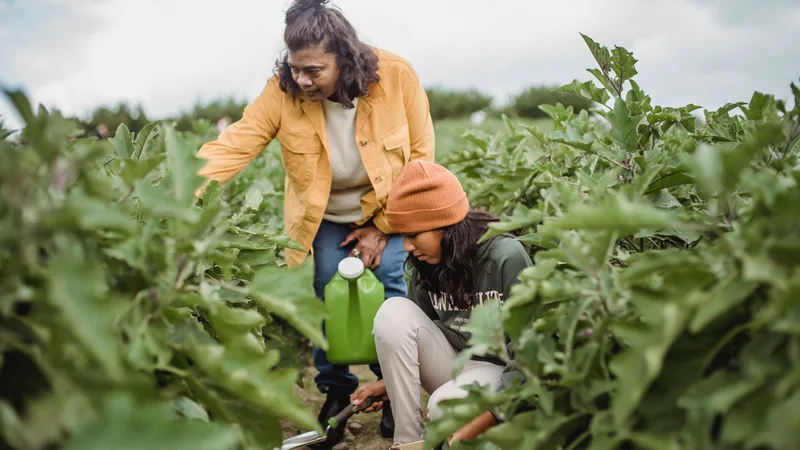
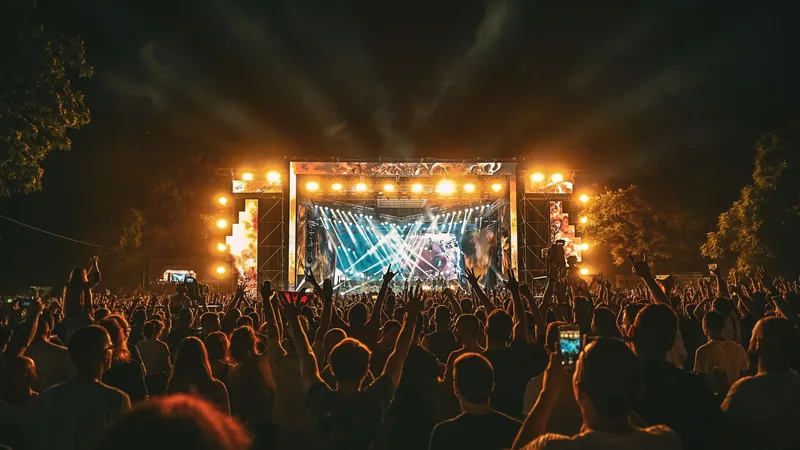
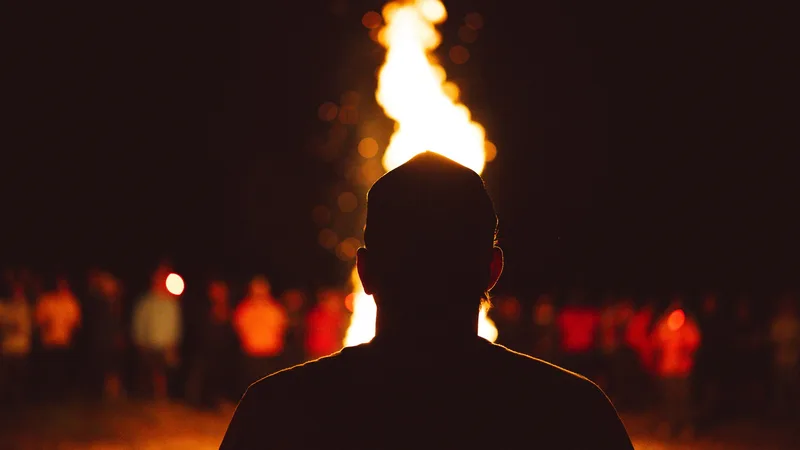
Photo: MostasharaM via Pexels. Places shown are not Spiritual Land; the land has not been found.
More from the journal
Join the circle