We did not want a kids pillar, because kids sounds like a programme: a tent, a face painter, a place to leave them while the adults get on with it. And we did not want a place for adults only, because a place nobody grows up in does not last. Families says what we mean. The people who came together are held together, across the generations, and the place is shaped around them.
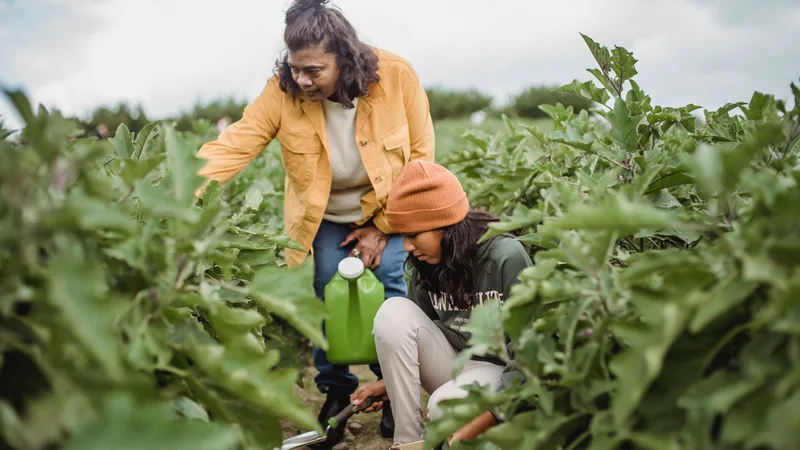
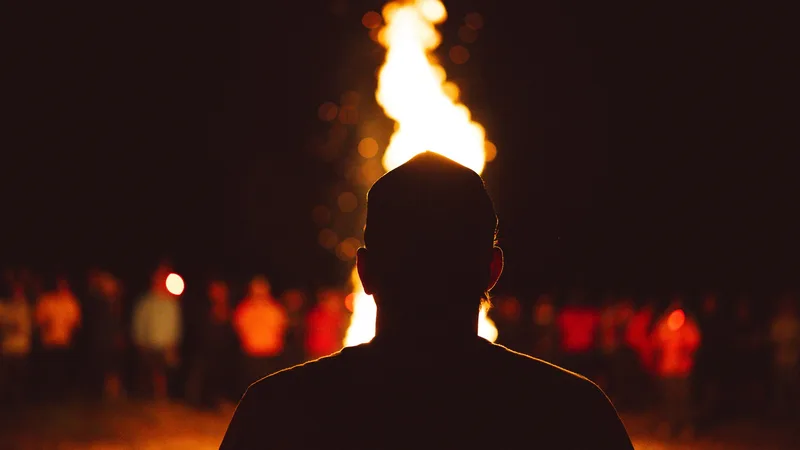
In practice it is a test applied to every decision: could a family be here with everyone they brought? A land that passes that test is right for everyone. Nobody gets activities; families get the land: planting, feeding animals, building shelters, tending the small fire, clay by the river, in three sizes. The children have a village of their own at the centre, with their own circle and their own fire on some nights, held with them rather than at them, which is what lets the parents take part in the rest.
And there is safety above the poetry. Every adult in a role with children is known and vetted, never alone with a child who is not their own, with a named person responsible at all times. That is the one place on the land where the rules come first.
Related words
- Holding spaceStaying fully present with a person or a group while something difficult or large happens, without fixing, steering or leaving.
- Land artArt made in and from the land, with its own materials, built to weather and mostly left where it was made.
- RewildingDeliberately leaving parts of the land alone so that wild processes, and wild species, return on their own.
- Sharing circleA group seated in a ring where one person speaks at a time, uninterrupted, and nobody fixes, argues with or comments on what is said.
Join the circle