Land art started as a movement in the 1960s, when artists left galleries to make work in deserts and fields. On the land it is simply the kind of art that fits: made from what is here, wood, stone, clay, willow, wool, ash, and placed where the land suggests. Structures you can walk into. A path that is itself the work. A woven dome that a storm reshapes. Stones someone lined up one summer that are still there in ten years.
It is allowed to weather. The seasons are the curator. Some pieces will be gone in a year; some will be moss-covered landmarks that children give names to. Nothing is imported and hung.
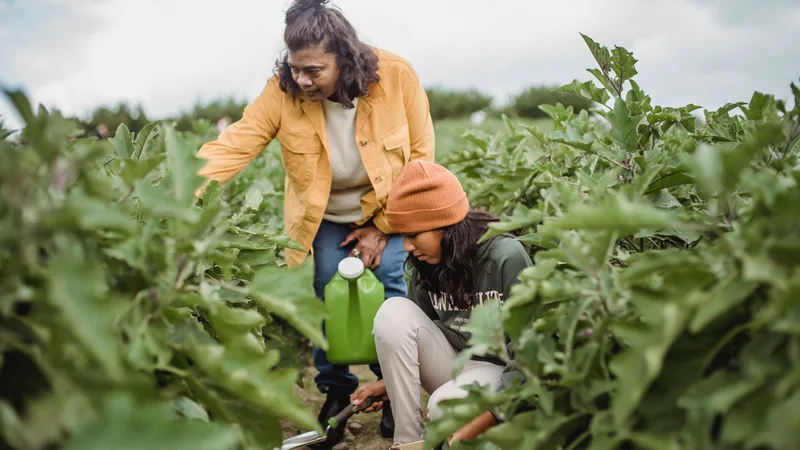
Everyone makes, not just artists. Clay by the river, natural dye, woodwork, weaving, drawing in the morning silence. The pieces that matter most will probably be made by people who never called themselves artists, and by the children.
Related words
- Artist residencyA stay of weeks on the land for an artist or maker, housed and fed, with time and help to make a piece that stays.
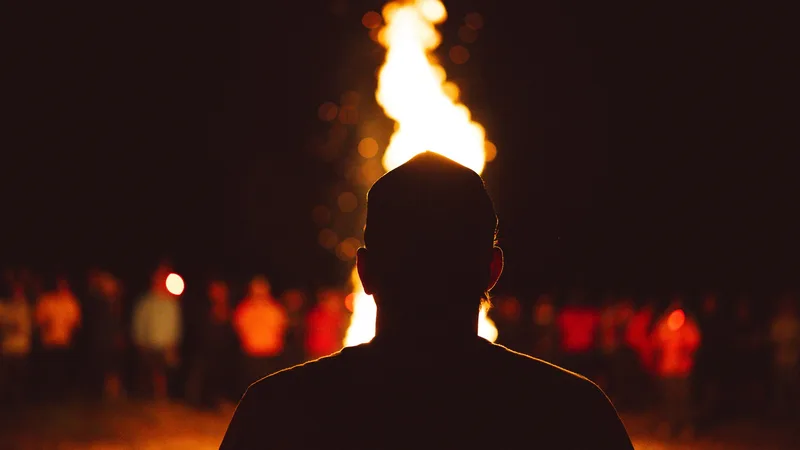
- Light artArt made with light: lanterns, candles, fire sculpture, projection on trees, installations that exist only after dark.
- RewildingDeliberately leaving parts of the land alone so that wild processes, and wild species, return on their own.
Join the circle